Showing posts with label Passive Voice. Show all posts

Sunday, March 1, 2015

Gleaning New Writing Projects from What You've Planted and Harvested in the Past

Gleanings!
This month "Gleanings" is on my mind. There's a reason for that.

On my other blog I've been studying and writing about the "Shemitah." I'm currently reading a nonfiction book about it titled The Mystery of the Shemitah by Jonathan Cahn.

I know what you're thinking: "What the heck is the Shemitah?!"

I'm so glad you ask. The Shemitah is a year-event and also a day-event. The Shemitah is the 7th year in a 7-year cycle on the Jewish/Hebrew calendar. And for those Jewish people following the Old Testament regulations, they let the land rest through the 7th year or the Shemitah year. Just as in the weekly calendar God instructed one day of rest per 7-day week, in the same pattern He instructed them to let the land rest through the seventh year in a 7-year "week" of years, Of course this also meant the people would rest through that year because they did not work the land. But they still had to eat, right?

What do they eat? Whatever grew. On its own. The gleanings.

They still had to do some work because they had to go out and gather the gleanings, but they do not work the land and all the land belongs to all the people to glean wherever they want to.

The whole Shemitah is really an exercise in faith. The Jewish people had to believe that God would provide for them during that year...and the next until they planted and another harvest came in.

The last day of the Shemitah year is also an event. At the end of this day, all the debts are forgiven. It's a national financial re-set. Whoever owes money is set free from that debt. And whoever is owed money releases it. It's an object lesson of how the Lord God releases the sin-debt of those who trust in Him and He gives us rest. The word shemitah translated means "the Lord's release."

Did you know we are currently living in a Shemitah year? As a matter of fact, because the Jewish calendar begins in the fall of the year (last September) we are almost half way through the Shemitah year, which will end Sunday, September 13, 2015. The exact mid-point of this Shemitah year is March 20th, so it seems appropriate to talk about the Shemitah and gleanings this month. (Plus, I only just now thought about applying this to my writing.)

Gleanings for Writers


Okay, I know what you're thinking: "Enough with the Bible lesson. What does that have to do with us as writers?"

My study of the Shemitah caused "gleanings" to be on my mind. Suddenly I realized I already am gleaning in my writing. (Tweet that!) But it also gave me an awesome idea to glean another project from my past writing. (Tweet that!) Let me explain, and then we'll toss around some ideas for how you might glean new writing projects from what you've already planted and harvested in the past. (Tweet that!)

Turn Gleanings into E-Books


How to Get Published
When I thought about gleaning in my writing, I realized I already am gleaning with my series of "Getting Published" e-books I'm releasing. You've already seen two of my titles that have released.

Glean from a Pamphlet

The first e-book I made, "How to Get Published," was gleaned from a pamphlet I wrote back in 2003, printed on 11 x 17 paper, folded as multi-page pamphlets, and sold at writers conferences. I  took the same information, updated it, and released it as a Kindle book last year. It continues to sell well on Kindle.

only $.99
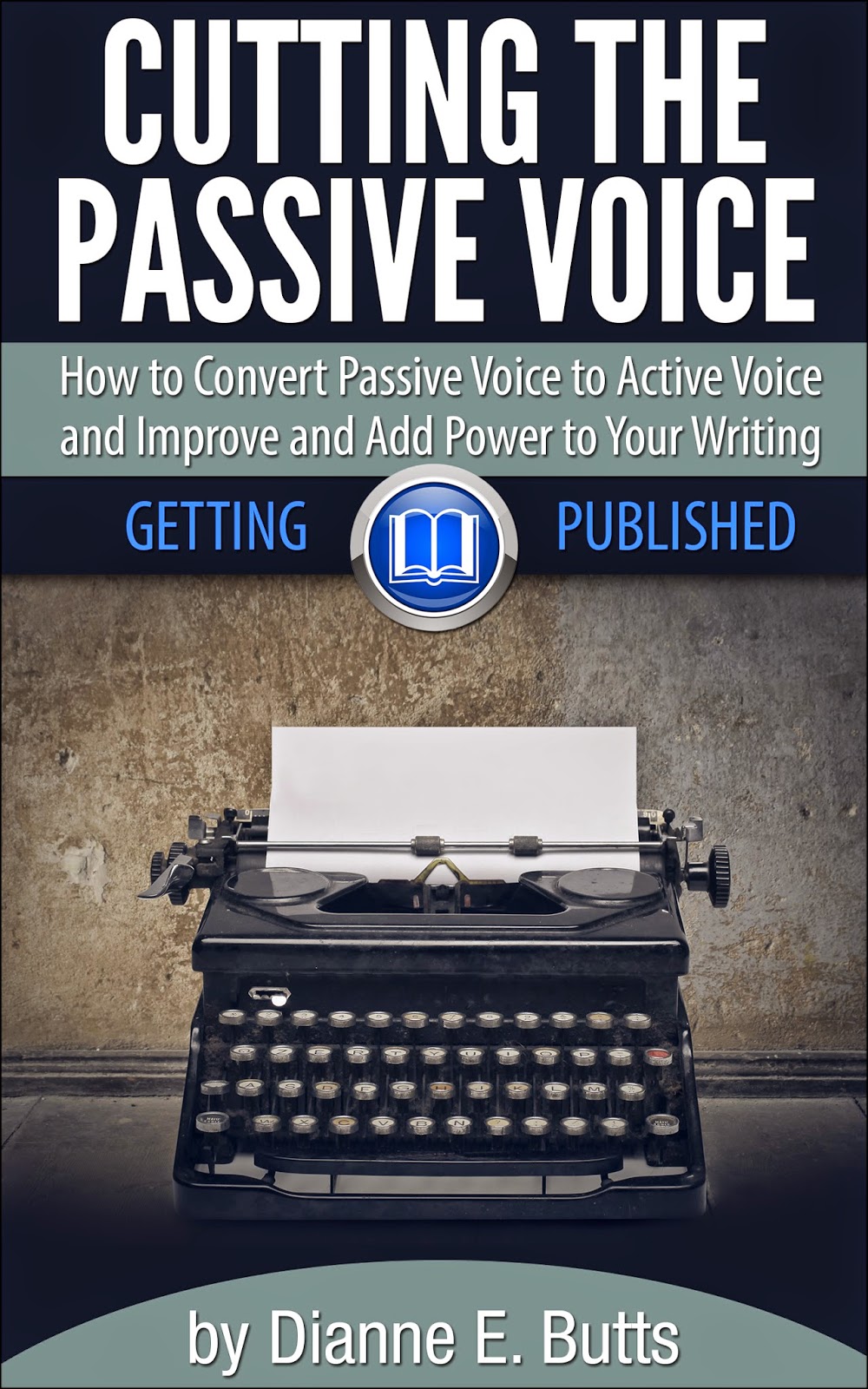
Cutting the Passive Voice

Glean from an Article

The second e-book, "Cutting the Passive Voice," came out a few months ago. The information for this little Kindle book was gleaned from an article I wrote back in the '90s. It was published a few times in small Christian writer's magazines. It's still good and helpful information and I wanted to share it with more writers and make it available to a much larger audience. I still owned all the rights to it, so I renewed and refreshed it, added a little more information, and formatted it into a Kindle book. It's been selling quite well since its release, which is exciting and encourages me to do more.

Glean from a Workshop You Teach

You may remember I ask through a survey which e-book you'd like me to create next and I gave three options. Here are the results so far:

  • Ten Tools for Marketing Your Book - 83% of votes
  • The Shape of Story: How to Shape your Novel's Story to Make a Great Screenplay - 17% of votes
  • Query Letters: How to Write the Query (and Cover) Letter You Dread to Magazine Editors and Book Publishers - 8% of votes

You can vote for more than one which is why they add up to more than 100%.

For the first two I will glean material from workshops I teach on those topics. The project on Query Letters I will glean from another pamphlet I wrote back in 2003.

Book Signings
Pre-Order now!

Glean from a Blog

While I waited for the survey results to come it, I've been working on another e-book. Book Signings: How to Set Up Your In-Store Author Event and What to Do While You're There! contains a ton of information I gleaned from three different posts on this blog.

While the material is already available for free here on the blog, I feel there's value in gathering it all together into one product for easy access instead of the reader having to hop around searching on this blog. Besides, I'm sure there are a lot of readers who don't even realize this information is available here so they don't know to go searching for it. Plus, readers can keep the e-book handy on their e-reader for easy reference when needed. Furthermore, I believe the e-book will reach a whole new audience of authors who can use the information but who don't even know about this blog. Therefore it may even bring new readers to the blog.

This e-book isn't completely ready to go at this date, but it is available for pre-order right now. That means you can order it and you will receive it as soon as it releases.

What has me especially excited right now is that while I was thinking about the Shemitah, and while I suddenly thought to apply "gleanings" to my writing, I realized I have a TON of information on my other blog about the Shemitah, the current tetrad of lunar eclipses (being called the "Blood Moons"), the 7 Feasts of the Lord on which these eclipses are falling, the solar eclipse on March 20 at the mid-point of the Shemitah year, and so much more along with the spiritual and prophetic meaning of it all. Again, all this information is spattered through many posts over the past year on my Bible Prophecies Fulfilled blog. So why not gather all of that information into an e-book?!

Again, this is a ton of writing and research I have already completed. I can organize all this information for easy reading in one place so readers can find it easily and keep it on their e-reader for easy access. I can reach a whole new audience. This will give me another income stream. And I can bring readers to my blog who don't know about it right now. Why didn't I think of this e-book before?! You can bet I'll be at work on it to get it out as soon as I can.

What Do You Have to Glean?

So the question for you is, what material do you have that's already written that you could re-purpose into a Kindle e-book and share with the world? (Tweet that!) And it doesn't have to be material that has already been published. What about that project of your heart that never got published? You can make your material available on platforms other than Kindle through Smashwords.com. I learned how to format for Kindle by printing out their instructions. It's not that hard. In fact, I put those printed instructions in page-protectors and in a small notebook and I refer to them and walk through them step by step whenever I'm making a new Kindle book.

Turn Gleanings into Videos


If you follow my other blog, you saw in my December posts that I created videos for my posts for the Christmas Advent season.

What material can you glean that you can turn into videos? You can take your writing material and tell it to your laptop's camera, edit it on YouTube.com, and upload it to YouTube. Then you can share that video on your blog, your web site, on Facebook, and probably other places I haven't thought of.

When you say it in video, you reach an entirely new audience. Many people don't want to read. They want to see and hear. So glean material from your books, articles, blogs, and more and make a video. Even if you're only reading your article or a section of a book!

I've been asked to make some of my Bible Prophecy Fulfilled blog posts into videos by just reading them. I haven't got that far yet but I'd like to. That way busy people can hear me read my own blog posts while they are busily doing something else.

It works. It's a whole new audience. What material do you have that would make a great video or series of short videos?

Turn Gleanings into Articles


Perhaps all writers have an abundance of material we've gathered and researched for writing projects. What work have you already done that you can glean articles from?

Or, can you take some material you've put into articles and create other material from it, such as an e-book or series of blog posts?

Can you take your fiction and make it into a series of short stories for your blog or a series of short e-books? (Tweet that!)

Turn Gleanings into Books and More


We've talked about gleaning material you've written and creating e-books. But what about print books? Do you have an abundance of material you can gather together and have enough for a print book? (Tweet that!)

You could add more material, if you want. Update it. Freshen it.

What can you add? Maybe add an appendix, list, or chart. For my new Book Signings e-book I added a list I use when preparing for an in-a-bookstore book signing. That list is material that I haven't published before. It's not on this blog. So it's added value to the e-book.

For the e-book on the Blood Moons and all that related information, I think I'll add a Leader's Guide to the back of the book. That will be new material I will need to create, but it will help readers share the incredibly important information in the book. It will make it easier to lead a discussion with a group of interested people.

Maybe you can glean from stories you've written and use them to create a screenplay or take your nonfiction and make a documentary. The ideas truly are endless.

Renew and Release


Take a fresh look at the material you've already produced. Take a special look at the unpublished material you've created that has never found a home to be published in. Review it. Glean from it. Renew and refresh it. Reuse it. Re-purpose it. Then release it to accomplish that purpose for which it was created.

May your gleanings of new writing projects from what you've already planted and harvested in the past provide you with an abundant blessing of new products, new readers benefiting from your work, and new income streams!

Monday, December 1, 2014

Keep Your Eye on the Ball: One Sentence that Can Elevate Your Writing to New Heights

I'm a football fan. Are you? For this analogy, pretty much any sport will do. I love to watch professional and college football in the fall and winter. My husband is a big baseball fan. One thing I've notice over and over again is that if a ball player does not keep his or her eye on the ball (or puck or whatever), they are not going to catch that pass or hit that ball out of the park.

You've got to keep your eye on the ball. Look it all the way in – to your arms to catch that pass, or to your mitt to catch that ball, or to your bat to get that hit.

When a player misses a catch or swings and misses, watch the replay. Watch his or her eyes. Most of the time, their eyes leave the ball before it gets there. They are already thinking about what they are going to do once they get the ball and their eyes betray that thought. They begin to take that action, but… They don't actually have the ball yet. And so they drop the ball, or don't catch it, or don't make contact. Consequently they never get to make the move they had planned out in their head.

It's all about focus.

How do you fix it? Sometimes it's a great idea to go back to basics. In fact, I don't think we get back to basics nearly often enough. If we could remind ourselves of lessons learned in the past more often, we'd probably do much better in the now.

All of this applies to writing. One of the best things I learned about writing very early in my career in a writing class I took was about "Thesis Statements." (Tweet that!) I don't hear much about thesis statements any more. But they have not lost their importance, so let's talk about a good thesis sentence.

It might be a common thought (I'm not sure. You can check me on this one.) that thesis statements are most often thought of for nonfiction writing, especially, for example, the essay. But I think writers who create a thesis statement for whatever they are writing, whether it's for a nonfiction book, or even if it's for fiction whether short stories, books, or screenplays, come out with a much stronger piece of writing. (Tweet that!)

Because the term "thesis statement" often causes people's eyes to glaze over, I sometimes call them "focus statements." More recently the term "a one-sentence" has cropped up with the advent of "one-pages." (Tweet that!)

What is a Thesis Statement?


A thesis or focus statement is stating the single main idea that you want to communicate through your nonfiction article, book, or fictional story in one sentence.

It is a specific sentence, not a vague one. It is a complete sentence, not a word or phrase.

Not: We should all create a thesis statement.

But: When writers created a thesis statement or focus sentence, their writing becomes more focused, better communicates what they set out to say, and leaves concrete thoughts for their audience.

A good thesis statement limits your content to communicating only what is relevant in this piece of writing. A thesis statement not only gives the idea of what you're going to write about, but also hints at your position on the topic as well as your purpose in writing.

Nailing Down a Thesis Statement


Sometimes a writer knows exactly what he or she wants to say and can state it right off the bat (pun intended). I think this is a talent, and for writers who have that talent I think it is one many writers don't know they possess.

For me, more often than not I have to write and rewrite and brainstorm and toss out and re-do a thesis or focus statement before I find it. This, for me, is pure agony. (Tweet that!) But when I finally find it, it's that sweet feeling just like you get when you hit the ball with the sweet spot on the bat and you know you just knocked it out of the park. (Tweet that!)

For some of you reading this I suspect you think that's crazy. What do you mean you don't know what your thesis statement is? Don't you know what you want to write about?!

I know. It sounds crazy to me too. Writing a thesis statement has always been a bit of a mystery for me. (Tweet that!) I should know what I want to write about, shouldn't I? I should know what I want to say. I guess the way I'd try to explain it would be to say that ideas are vague. They float around in the air and refuse to be captured. They are elusive. And so I can't capture a solid idea until I nail it down. And I can't nail it down until I get it on paper.

It's a struggle for me. So if this comes easy to you, you're one of the lucky ones.

What To Do With a Thesis Statement 


Thesis Statements for Nonfiction Writers


When I'm writing nonfiction, especially a short piece like an article, most of the time the thesis statement will fit into the article somewhere close to the beginning. It's part of introducing the idea of the article.

It's possible for a thesis statement to come more toward the end of an article, probably as part of the wrap-up, but that's rare. I can't think of a time that worked for me.

For nonfiction book writers, the thesis of the book most probably fits at the beginning of the book as the subject is introduced. But the nonfiction book writer then has much more work to do, because there would also be a thesis statement for each chapter in the book. That's one thesis statement for the overall book and a separate thesis statement for each chapter.

Even though I've been writing for over twenty-five years now, I have to confess that to this day at times I still forget to write a thesis statement. I blame part of this on the fact that it is not a natural thing for me to do. That's because I still think I should know what I'm writing about and what I want to say when I start writing, right? So for me to have to stop and figure out what it is I really want to say or what I'm really trying to say still feel crazy to me. But I can tell you this: If I will remember, and stop, and go back to basics, and write a thesis statement, then my writing becomes much easier! Then I know what I'm trying to say. I've nailed it down. And I can say it. In words. On paper.

After that agonizing exercise, I can then spend my time writing and fleshing out and explaining to the reader why that statement is important and relevant to them.

So what do you do with your thesis statement? After figuring it out, after writing it down, then print it out and tape it to your computer monitor so it is right there in front of you all the time. Keep your eye on your thesis. This will help you focus. It will help you stay on track. You'll instinctively know when you're headed down a rabbit trail and you can get back on track. This will save you writing time, effort, and many unusable words. (Tweet that!)

When the time and place is appropriate, you can stick your thesis statement into your writing so that your reader will know exactly what you're saying, what you're doing, and where you're going. That's a great place to be, and after that you'll most likely knock it out of the park!

Thesis Statements for Fiction Writers


Most of the time I've heard thesis statements discussed (which is pretty rare, actually), the discussion has been for or about nonfiction writers. But I believe this same principal applies to fictions writers also, whether you're writing a short story, a novel, or a screenplay.

Every story has a thesis. (Or it should.) Even though it's fiction, it's still going somewhere. It still has a message. A story without a message is just a bunch of happenings with no meaning.

And if you try to put too much into your story, then you're trying to cover too much and the true meaning of what you want to communicate gets muddled and lost.

So if you're a fiction writer, I would still encourage you to perform this exercise of writing a thesis or focus statement for your story. (Unlike for nonfiction writers, I don't believe you need a separate thesis statement for every chapter because your story is one cohesive whole, unlike a nonfiction book where each chapter speaks to a different aspect of the whole.)

Here, I think we can take a lesson from screenwriters. When writing a screenplay, screenwriters are often required to also write a "logline." In my mind, this is pretty much the same thing as a thesis or focus statement.

A logline is a one-sentence summary of the story. It's what you see on your TV guide that describes the movie or episode.

It is a complete sentence. It doesn't need to name your characters but it does need to give an idea of who the main character is, the journey she is on, the story problem that needs solved, and hint at the resolution. (That's probably not a comprehensive idea of how to write a logline. But it's a start.) Here's my attempt at an example. See if you can figure out what story it is for:

A lonely Kansas farm girl is whisked away by a twister to a fantasy land and must find her way back home.

Again, for you fiction writers, write your focus statement out and tape it to your monitor as your work. Unlike nonfiction writers who would include it in their written piece, your focus statement may never actually appear in words. However it will keep you on track to tell your story. It will keep you from chasing rabbits. It will help you focus on the story you're trying to tell and will keep all other thoughts from creeping in and muddling your main, focused idea. You'll come out with a much more cohesive story.

Thesis Statements are Different from Topics, Themes, and Tag Lines


To help define a thesis statement, it's helpful to know it is not a "topic," a "theme," or a "tag line."

A topic and a theme are most often a single word or a simple phrase.

These are topics:
  • Homelessness
  • Domestic Abuse


These are themes:
  • Love conquers all.
  • Hope never dies.


A tag line for screenwriters is not the same as a logline. A logline is the term used for a one-sentence summary of the story that an employee at a production company used to log in a script when it arrived in the mail. (Not sure that's done much anymore because we don't mail scripts much anymore, but that's where the term came from.) A "tag line" is what goes on the movie poster.

This is a tag line:
  • Every man dies. Not every man truly lives. (Braveheart)


Again, a thesis statement or a focus sentence, like a logline, is always a complete sentence.

What To Do With Those Rabbit Trails


I know what you're thinking. You're thinking about all those wonderful thoughts, ideas, story threads, characters, etc. that you discover along the way of writing that don't fit within your thesis statement. What about those? What should we do with those? Surely we don't just take all those wonderful ideas and throw them away! No, of course not.

You are likely to have many "left overs" (post Thanksgiving Day pun intended). Don't dismiss or throw those away. They are so wonderful and useful. Just because they don't fit (according to your thesis statement) into what you're currently writing doesn't mean you can't use them.

Here are some ideas of what you can do with what doesn't fit:

For nonfiction writers: 
  • Use them for a sidebar to accompany your main article. 
  • Use them for an additional article. 
  • Possibly make a series of related articles.

For fiction writers: 
  • Use those ideas for a sequel* or a prequel.* 
  • Use them for another story in a series.* 
  • Or use them in another story all together. As I was developing one story I want to write, I had one scene in my head that I loved but it just didn't seem to fit. I lifted that scene out of my story and guess what? I built a completely different, unrelated story out of that scene.


*A sequel follows a story. A prequel predates a story. A series is the same related story with the same characters but doesn't require following the first story; stories in a series can be read in any order.

More Help


If you're able to write what you believe is your thesis statement right off the bat, that's great. But don't be afraid to work with it, massage it, refine it. You might come out with a deeper thesis that takes your writing to another level.

If you're like me and struggle to nail down that thesis statement, then understand that often it emerges with the writing, thinking, and brainstorming. This means I might be constantly rewriting and refining my thesis statement well into the writing process. Still, I push to nail my thesis as early as possible because having that statement clearly expressed in concrete terms guides everything else. So having my statement nailed down can save me a lot of wasted work of writing what is not on target.

As with your larger writing of articles, chapters, books, and screenplays, when it comes to your thesis statement: Rewrite. Revise. Repeat.

When you finally hit that thesis statement that is what you're really trying to say, you'll know it when you nail it.


Now, if I could just remember to write a thesis statement or focus sentence every time I begin developing an article, book, or story. I'd rather forget about it and avoid it, because for me it's such hard work. But when I do it, everything after is so much easier. I guess I need to type out "Write a Thesis Statement!" and tape that to my monitor. Or perhaps tattoo it on my forehead.


SPECIAL ANNOUNCEMENT: 

Another Helpful Back-To-Basics Technique


I'm very excited to let you know that I have a new e-book coming out on Kindle! It is titled Cutting the Passive Voice: How to Convert Passive Voice to Active Voice to Improve and Add Power to Your Writing.

Cutting the Passive Voice: How to Convert Passive Voice to Active Voice to Improve and Add Power to Your Writing
Book 2 in the
"Getting Published" series
If you remember my article “Cutting the Passive Voice,” which was originally published in 1996 and was reprinted several times and that I used as a handout in some of my workshops, that is the basis for this little e-book. I added to it and fleshed it about a bit more. I added a few more exercises.

I wanted to make this information accessible to many more people, so I'm making it into a small e-book that costs only $ .99. I can reach a much larger audience and get this helpful information to many more writers with an e-book on platforms like Amazon.com. However I'm keeping it inexpensive so there will be absolutely no barrier for anyone who needs it to get it.

As we're talking about "back to basics," this is a great technique to use as you edit, revise, and refine your writing (both fiction and nonfiction). I go through my manuscripts searching out the passive voice as one of my final revisions. I can't tell you how much this will improve your writing.

Using passive voice is a natural way most writers write. I see it over and over again in beginning and advanced writers. If you don't recognize passive voice, you won't know how to change it. But I can testify from personal experience that if you cut most of the passive voice in your writing, people will notice! They won't know what you have done, but they will notice your writing is more lively, fun, and exciting.

Cutting the Passive Voice e-book is not for English majors who already know what passive voice is and what to do about it. This is a guide for the rest of us.

This little e-book not only explains in easy-to-understand layman's terms what passive voice is, it gives you several easy ways to change it into active voice that brings your writing alive.

Trust me. This will be the best .99 cents you every spent on your writing.

Cutting the Passive Voice is scheduled to release on December 17, 2014, but you can pre-order it right now. It will then be delivered to your Kindle device (or computer with the free Kindle reader) as soon as it releases. So order now! And please invite your writing friends to check it out as well. (Tweet that!)

"Getting Published" series:


Writer, Will You Go Anywhere God Calls You? The Problem IS the Path to the Solution

Thanks to Pixabay.com Warning: This post is for Christians only.You can read it if you want to, but don't get mad if it's too re...