Showing posts with label Books by Dianne E. Butts. Show all posts

Tuesday, September 1, 2015

How to Write a Compilation - Part 3

Dianne has contributed to all
these compilations
(and more).
In this part 3 of my "How to Write a Compilation" we'll talk about the legal issues including the contract you'll need to create for your contributors to sign, then a little about publishing your compilation book, marketing your book, and keeping the whole project organized.

I've also received a follow up question from Pierre (who started this whole series with his question on how to write a compilation). He asked me about the "rights" to the stories that we, the one who is putting together the compilation, purchase from the writers who contribute. I know I said last month this would be the third and final post on how to write a compilation, but now I'm thinking next month we should talk about "rights." This is apply not only to authors heading up a compilation project, but also to  writers who write for magazines, compilations, or other short works,


At the very end of this post you'll find descriptions of what's in Part 1 and Part 2 of "How to Write a Compilation" plus links to those blog posts.

Legal


You are going to need some kind of written agreement between you and your contributors to your compilation book. You need to have this agreement in writing. You're going to have to create your own agreement because nobody else is going to do it.

When I did my compilation, Deliver Me, these stories were very personal and private. I had to make sure nobody was sharing someone else's story who would sue me! Hiring a lawyer was not the answer in the beginning because a lawyer doesn't know what I needed for a publishing contract. 

Luckily for me I had contributed to many compilations and had signed a contract for nearly every one of them and so I had those samples to work from. I "copied" the parts out of several and tweaked them for my needs. Once I had my agreement the best I knew how to make it, THEN I hired a lawyer to go over it for me. I explained to her what I was doing, explained the added privacy issues involved, and asked her to make sure my contract covered me well so I wouldn't get sued. It cost me a little (a couple hundred $ if I recall accurately), but I felt it was well worth it for that project. And I have not had any problems. Of course before the contract I communicated clearly with every author individually making sure they understood this was going to be published so anyone could read it. Did they have permission to share the store from anybody referenced in their story? Are they sure it was going to be okay? They were all eager and adamant about wanting to share their stories. So when the contract came there were no surprises.

These are Dianne's six books.
The one on the top (Deliver Me) and the one on the
bottom (Grandparenting Through Obstacles)
are compilations.
By the way, for those who wrote "as told to" stories for other people, I not only had the writer sign the contract, I also required that they, the writer, get their interview subject to sign it as well. In some instances I needed several signed agreements for one story. Don't be shy about doing this. I had to make sure I had permission to use the story and I had to have that permission in writing. A "verbal" agreement just won't do for something so vitally important. Taking such care has served me well and you should take such care with your compilation.

     About privacy: 


Every time I write about private issues, and every time I work with someone else who is writing about deeply personal stories or issues, the question comes up, "Should I share that part or not?" 

Here's my personal rule: Ask yourself (or the writer or person): "Do I/you feel ANY hesitation or reservation at all about sharing this? For any reason? "

If the answer is yes, DON'T SHARE IT. The reason for this is because once it is published, you can't get it back. It's out there. Even more so in our age of the internet. So if you have ANY thought that maybe you shouldn't say that, don't. 
If later you change your mind and become certain you want to share this story (or this part of a story), there will be future opportunities to share it. 
However if you, or they, share it and then change your/their mind and wish you hadn't, it's too late. You can't undo that any more than you can un-ring a bell.

Always remember PEOPLE are more important than the PROJECT. Remember people are your priority, not the project, and you'll do fine. (Tweet that!) I would rather give up the whole project than irreparably hurt one person. Honor the people involved and most often they will honor you. (Tweet that!)

     Get Permission in Writing


Some of my original stories I had for Deliver Me were amazing. However it took so many years to see the book to completion that I lost contact with the persons involved with those first stories. The phone numbers and email addresses they'd given me were no longer good. I could not get the signed permissions I needed, so I had to scrap the stories. This made me very sad, but I simply could not use the stories without permission, and without that permission in writing. Don't fudge on this. You'll be in trouble if you do.

The rule here is: 

No signed agreement? No published story in the book! (Tweet that!)

     What to Include in Your Written Agreement


Please understand I am not an attorney and this is not legal advice. I'm only offering a little help from my own experiences. You need to seek out whatever professional you need to help you with your project. 

In general, here are some of the topics to address in your written agreement with your writers:


  1. Rights. Which rights are you buying and which rights is the writer selling? Do you want to use the story exclusively? Or is it okay with you if the writer sells it elsewhere also? Do you want to use the story FIRST? What if the writer sells it elsewhere and it is published there before your book comes out? 
  2. Payment.
  3. That their story is not infringing on anyone else's rights, etc.

Just a note: On the cover of my Deliver Me book it says "edited by" and then my name. My cover designer did that and I didn't object. You can call yourself the "author" if you want, even if you didn't write everything in the book. Technically, that's what you are, I believe. (Others may have another opinion possibly.) You can call yourself the editor as I did, because you're surely going to go over every story and edit it for your own tone and theme and corrections. (Minor edits like this are okay, but you should never change the meaning of what the writer wrote without them knowing an approving the changes. Don't "enhance" the story, etc.) Or you can call yourself the compiler: "Compiled by...".

Staying Organized


By now you have your writer's guidelines going out and hopefully submissions coming in. You're picking the stories you want to use and you need to make sure you communicate with each writer about all the contract details. You have to answer different questions from each one. You may have asked for edits or changes to make some stories better. And you won't want to miss getting a signed agreement. In other words, you have a lot going on and you need a way to keep track of everything.

I made a checklist for everything I needed per story: 
  • contract/permissions, 
  • bio for the back of the book, 
  • name that goes on the byline, 
  • mailing address where I was to send the contributor's copy and check, etc. 
Then I made a notebook with a divider for every story. I put a checklist behind every divider. Then I checked things off as they were done. When the signed contract came back I 3-hole punched it and put it in the notebook. (Tweet that!I have those notebooks to this day in case there is ever a question about permissions or contracts or anything else. 


As a sample I'm sharing sharing my actual Contributor Checklist that I used for Deliver Me here as a sample:


Publishing


You may want to publish your compilation book independently or you may want to try to interest a traditional publisher in it. That's a whole discussion in itself which I talked about in my January 1, 2014, post here:


Marketing


As with any book don't forget to plan how you're going to market your book.

Try to get your contributors to help you market the book, but don't expect a lot. (Tweet that!) It's your baby, not theirs, so you're the one that will best champion your baby to the world. But here are some ideas:


  • Brainstorm ways Contributors can market the book. Make a list and provide it to them. Be careful not to be overwhelming. It might be better to give a short list regularly than a long list all at once.
  • Maybe start with small circles and work outward, meaning start with the contributors' families, then their towns, then their circles of influence (organizations, ministries), then nearby cities, then their states, etc.
  • Maybe create opportunities that they can jump on board with as their schedules allow, such as a Facebook Event or a Goodreads Event
  • If your contributors are in your area, or are where you'll be on vacation, maybe you can organize a get-together or an in-store author event book signing. (For help with your in-store author book signing event, see my newest e-book for writers called Book Signings).

Final Thoughts:


Look at other compilations for examples of all these various items discussed here, including Writers Guidelines, how the book is organized, etc. One very successful series of compilation books is, of course, the Chicken Soup for the Soul books. Learn more about them at www.ChickenSoup.com.

That's all I can think of about writing and organizing compilation books. If you have a question that I didn't address, leave it as a comment below and maybe together we can discuss an answer for you. 

Have you put a compilation together? Or have you contributed to one? Tell us about it in a comment. I hope this has inspired you to create your own compilation. 

Good luck and let us know how it goes! 


Related Articles:


  • How to Write a Compilation - Part 1: Includes what a compilation book is, how to write a compilation and options for who writes the stories, asking writers to contribute, and creating writer's guidelines for your compilation and getting them out there where other writers will find them.

Saturday, August 1, 2015

How to Write a Compilation - Part 2

Dianne's books on the right,
and a stack of most the compilation
books she's contributed to.
Last month we talked about what a compilation book is, how to write a compilation and options for who writes the stories, asking writers to contribute, and creating writer's guidelines for your compilation and getting them out there where other writers will find them.

This month we'll talk about how to organize your compilation and paying your writers. (Tweet that!)

How to Organize Your Compilation


If you don't already have an idea of how you're compilation is going to be organized, I'm thinking it will tell you as it develops. For both my Deliver Me book and Grandparenting Through Obstacles, which I did with my co-author, the stories kind of grouped themselves around common themes which became chapters. In our grandparenting book, we also had "Parts" in our book instead of chapters. We had 20 stories in 4 Parts on a theme with five stories in each Part. 

For my Deliver Me book, I knew I wanted stories about women choosing to keep her child, give for adoption, those who opted for abortion, and stories from men, so I knew I would have chapters for each of those topics and I went looking for stories to fill them. Other chapters emerged as stories came in that surprised and intrigued me.

I'm not sure about this, but I think creative projects have a character of their own and so they will tell you how they need to be organized. That might mean you look at what stories you have and see a common thread and so you group those into chapters. 

Paying your Writers


Some compilations "pay" the writers by offering a free copy of the book. I believe writers ought to be paid for their work. (Tweet that!) We seem to be about the only profession where we are expected to work for free, which I think is wrong. Workers deserve their wages. 

For Scripture says, "Do not muzzle an ox while it is treading out the grain," and "The worker deserves his wages." 1 Timothy 5:18

But at the same time I'm suggesting that you should pay your writers, you also need to know that anything you do pay them is going to come out of your pocket. (Tweet that!) This means even if you find a traditional, advance and royalty-paying company to publish your book, they are not going to also pay your writers. You will. Or you can use your advance to pay them, but it's still coming out of your advance. So you need to count the cost carefully as you make decisions about whether or not to pay your writers, how much, and in what way.

Most of the compilations I've written for pay a one-time fee. I've been paid anywhere from $20 to $200 for one of my stories. (Tweet that!) 

A Ruby Christmas
(Since this blog post appeared, the
publisher has removed this e-book
from Amazon.com.)
A fiction compilation -- each chapter
written by a different author
Another way to pay your writers is to share royalties. I'm involved with one project like this. This particular book is not pictured in my stack of books because it's in ebook form only so I couldn't put it on my stack of printed books. 

The publisher gathered a group of known writers/friends. We each wrote a chapter and each receive a percentage of the royalties. This is a fiction project. Again, count the cost of the paperwork needed to track and share royalties so you don't create a bookkeeping nightmare for yourself.


How much should you pay? Just to give you an idea, I paid $20 per story for one book and $25 per story for the other. But even a token amount, like $5, is better than nothing. 

I paid on publication (meaning no money went out until the book actually existed). Then I mailed their check in the same package as their contributor's copy of the book. 

A few of my authors wanted to "donate" their story and never cashed the check. That was generous of them and it helped me out with the expense of my book, but I still honored my writers by offering them their pay.


     Author Discounts


I also offered my authors discounts when they purchased copies of the book. (Tweet that!) With the book another publisher published, I negotiated so that contributing authors were able to buy copies at a discount. Our contract with the publisher was a percentage share of the profits, so we were to get a share of the difference between the cost plus publisher's percentage and what the contributors paid, which was less than when a buyer bought a book at full price but still a little for me and my coauthor. 

Is this fair to the contributors to have to buy at more than cost? Yes, of course. You're the one who did all the work of putting it together, took all the risks, put in all the time, found the publisher (or published it yourself), etc. That deserves being paid a small portion per book purchased by the contributors. If your contributors can purchase at 50% off the cover price, they make their money when they sell copies, and that's standard. Almost all the compilations I've written for sell to contributors for 50% off the cover price. 

One book I was in didn't give the authors a 50% discount but only one dollar off the cover price. Why should I buy a quantity and pay shipping for $1.00 per book?! It wasn't worth it.

     Contributors Copies


Give all contributors one free copy of the published book as a "contributor's copy." They deserve to get one. 

I contributed to one compilation that did not do this. To this day I have not seen this book with my own work in it. I would have had to purchase my own copy. This is a bad way to treat your contributors. How can I champion your book when I haven't seen it, can't hold it in my hands, look at it, read the rest of it?  How can I help you market it when I can't take a photo of me with it for Facebook and Instagram, or put it in my stack to photograph for my blog? 

For goodness sakes, plan to give every contributor at least one copy. Be generous. (Tweet that!) This will cost you: both in purchasing the printed copies as well as in mailing/shipping them to your contributing authors. Count the cost of that as well. (Of course we all think we'll sell enough books to cover all our costs and make a profit. Authors typically over estimate how many books we will sell.)


Next month in the third and final part we'll talk about the legal issues including the contract you'll need to create for your contributors to sign, then a little about publishing, marketing, and keeping the whole project organized.

Related Articles:


Saturday, July 4, 2015

How to Write a Compilation - Part 1

Dianne E. Butts
has contributed to all these
compilation books.
(and more!).
Please excuse me for being a little late posting this month. I was enjoying a fun and wonderful family vacation and just couldn't get it done earlier!

Last month I received a message from a reader, Pierre, asking, "Do you have any articles on how to write or organize a compilation?" (Tweet that!) That's a topic I haven't approached here on the blog so thanks, Pierre, for the topic suggestion. 

I've contributed to twenty compilations, all of those in the photo and a few more not pictured. I've also put together a compilation myself and another one with a co-author. (See photo below.) So I’m sharing what I've learned from those experiences.

When I brainstormed the answer to Pierre’s question and what I’ve learned about writing compilations and/or writing for them, I was surprised by how much information I came up with. So much, in fact, that I’m going to divide it into more than one post here (or else this post would be dreadfully long!).

Here’s how my plan is currently shaping up:

In this first post, Part 1, I’ll answer the first part of Pierre’s question of how to write a compilation which will include creating writer’s guidelines and getting them out where other writers might see them.

In Part 2 I’ll answer Pierre’s question of how to organize your compilation plus we’ll talk about paying your writers, a topic that is of great importance to me.

In Part 3 we’ll look at legal considerations, keeping the whole project organized, and marketing the finished product.

So let’s get started with:

A Ruby Christmas
a fictional story compilation.

What is a Compilation?


A compilation is a collection of stories--whether true or fiction--or essays or poems or other written material all bound together in one book.

Most of the compilations I've seen are nonfiction. They are often centered around a particular topic.

But a compilation can also be fiction, whether it's a collection of individual complete stories or perhaps different writers contribute a chapter to the same story, such as the one I contributed to titled A Ruby Christmas

How to Write a Compilation


You can do some of the writing yourself. You can ask other writers to contribute to your compilation. Or more likely you'll end up doing a combination of both. That's what I did.

          Write Part or All of the Compilation Yourself.


If your compilation is all about a collection of material from established writers, then they obviously will want to write their own material. But when I did my compilation, I wanted stories about unplanned pregnancies and all the different decisions people make and how that played out in their lives. For the compilation I did with a co-author, we wanted stories of grandparents finding ways to share the Gospel of Jesus Christ with their grandkids. With a compilation topic like this, not everyone you're working with is going to be a writer. Some have no desire, skill, or time to write their stories down on paper. But they have great stories! So the solution is to do the writing for them. You interview them and collect their story details, and then write it as an "as told to." You'll see several of these in my Deliver Me book.
These are Dianne's six books.
The one on the top (Deliver Me) and the one on the 
bottom (Grandparenting Through Obstacles)
are compilations.

Doing this will assure you of many great stories. It will also assure the quality of writing you want for your book. If you can't do the interview and writing, you can find (or hire) a willing writer and assign them that story.

I consider writing others' stories one of the great privileges of being a writer. (Tweet that!) So many people have amazing stories that would help and inspire others but they do not have the skills to write them or the platform to share them if they did. (Tweet that!) So helping them share their stories is an incredible honor and blessing to me, not to mention my readers. (Tweet that!)

When you write an "as told to" story for your compilation, simply treat the person with the story as any other author: get the same permission to use the story, have them sign the same agreements. Put their name on the byline followed by "as told to" and then your name. Consider them a contributing author because they are the"author" of their story even though they didn't do the work of actually putting it on paper (or in the computer).

          Ask Writers to Contribute


If you plan to ask other writers to contribute to your book, first you need to be able to articulate very clearly the idea of your compilation and what you are looking for in submissions. I always found this interesting because I thought I was being clear but writers would have completely different ideas of what I meant. So I would have to continually clarify. The problem is they are not in your head, so all they know about what you're thinking of for your compilation is what you tell them. Therefore:

  • Be as clear as you can be. 
  • Be willing to clarify your vision when needed. 
  • And be patient when working with other writers.
You may have to answer the same question(s) over and over. Count this as a great learning experience because you'll get a clearer picture of how you're coming across as a writer and how your reader understands you. (Tweet that!)

Create Writer's Guidelines


You'll need to create some writer's guidelines, just like the professionals do. Because you are a professional.

As an example which may be helpful to you I’ll share the writer’s guidelines I created years ago for my book Deliver Me, but please know this opportunity is now closed and this is intended only as  an example or a starting place for you.

Better yet, gather some writers guidelines off the internet from magazines or other compilations and use them as a starting point. 

Besides sharing your vision you'll want to give:

  • An idea of what you’re looking for in stories you’ll accept. 
  • Tone. 
  • How long you want each story (in word count).
  • Which rights you want to purchase.
  • Compensation (what you'll pay in $ and/or contributor's copies).
  • If you want a bio for the back of the book (a great perk for writers) and the word limit on that.
  • How and where to submit.
  • Your deadline.

Get the Word Out


Once you have the writer’s guidelines for your  project written, edited, and polished, make them a printable PDF document.

Then post your guidelines on your web site, blog, and/or Facebook page.

Once you have your writer’s guidelines available somewhere online, you can link to them in Twitter messages, on Facebook, at LinkedIn, in your emails, in your newsletters, etc.

Ask your friends and writing acquaintances to share them with their circles of writer friends.

You can also seek out web sites that writers frequent that want to post opportunities for writers and politely ask them to post or link to your project’s information and your guidelines.


So this month why don’t you consider gathering some of your writer friends, reaching out to other writers you know, or possibly extending the invitation to friends of friends and talk about doing a compilation together? Brainstorm your idea, then brainstorm your writers guidelines.

Then come back next month and we’ll talk about how to organize your compilation and about paying your writers.

Monday, December 1, 2014

Keep Your Eye on the Ball: One Sentence that Can Elevate Your Writing to New Heights

I'm a football fan. Are you? For this analogy, pretty much any sport will do. I love to watch professional and college football in the fall and winter. My husband is a big baseball fan. One thing I've notice over and over again is that if a ball player does not keep his or her eye on the ball (or puck or whatever), they are not going to catch that pass or hit that ball out of the park.

You've got to keep your eye on the ball. Look it all the way in – to your arms to catch that pass, or to your mitt to catch that ball, or to your bat to get that hit.

When a player misses a catch or swings and misses, watch the replay. Watch his or her eyes. Most of the time, their eyes leave the ball before it gets there. They are already thinking about what they are going to do once they get the ball and their eyes betray that thought. They begin to take that action, but… They don't actually have the ball yet. And so they drop the ball, or don't catch it, or don't make contact. Consequently they never get to make the move they had planned out in their head.

It's all about focus.

How do you fix it? Sometimes it's a great idea to go back to basics. In fact, I don't think we get back to basics nearly often enough. If we could remind ourselves of lessons learned in the past more often, we'd probably do much better in the now.

All of this applies to writing. One of the best things I learned about writing very early in my career in a writing class I took was about "Thesis Statements." (Tweet that!) I don't hear much about thesis statements any more. But they have not lost their importance, so let's talk about a good thesis sentence.

It might be a common thought (I'm not sure. You can check me on this one.) that thesis statements are most often thought of for nonfiction writing, especially, for example, the essay. But I think writers who create a thesis statement for whatever they are writing, whether it's for a nonfiction book, or even if it's for fiction whether short stories, books, or screenplays, come out with a much stronger piece of writing. (Tweet that!)

Because the term "thesis statement" often causes people's eyes to glaze over, I sometimes call them "focus statements." More recently the term "a one-sentence" has cropped up with the advent of "one-pages." (Tweet that!)

What is a Thesis Statement?


A thesis or focus statement is stating the single main idea that you want to communicate through your nonfiction article, book, or fictional story in one sentence.

It is a specific sentence, not a vague one. It is a complete sentence, not a word or phrase.

Not: We should all create a thesis statement.

But: When writers created a thesis statement or focus sentence, their writing becomes more focused, better communicates what they set out to say, and leaves concrete thoughts for their audience.

A good thesis statement limits your content to communicating only what is relevant in this piece of writing. A thesis statement not only gives the idea of what you're going to write about, but also hints at your position on the topic as well as your purpose in writing.

Nailing Down a Thesis Statement


Sometimes a writer knows exactly what he or she wants to say and can state it right off the bat (pun intended). I think this is a talent, and for writers who have that talent I think it is one many writers don't know they possess.

For me, more often than not I have to write and rewrite and brainstorm and toss out and re-do a thesis or focus statement before I find it. This, for me, is pure agony. (Tweet that!) But when I finally find it, it's that sweet feeling just like you get when you hit the ball with the sweet spot on the bat and you know you just knocked it out of the park. (Tweet that!)

For some of you reading this I suspect you think that's crazy. What do you mean you don't know what your thesis statement is? Don't you know what you want to write about?!

I know. It sounds crazy to me too. Writing a thesis statement has always been a bit of a mystery for me. (Tweet that!) I should know what I want to write about, shouldn't I? I should know what I want to say. I guess the way I'd try to explain it would be to say that ideas are vague. They float around in the air and refuse to be captured. They are elusive. And so I can't capture a solid idea until I nail it down. And I can't nail it down until I get it on paper.

It's a struggle for me. So if this comes easy to you, you're one of the lucky ones.

What To Do With a Thesis Statement 


Thesis Statements for Nonfiction Writers


When I'm writing nonfiction, especially a short piece like an article, most of the time the thesis statement will fit into the article somewhere close to the beginning. It's part of introducing the idea of the article.

It's possible for a thesis statement to come more toward the end of an article, probably as part of the wrap-up, but that's rare. I can't think of a time that worked for me.

For nonfiction book writers, the thesis of the book most probably fits at the beginning of the book as the subject is introduced. But the nonfiction book writer then has much more work to do, because there would also be a thesis statement for each chapter in the book. That's one thesis statement for the overall book and a separate thesis statement for each chapter.

Even though I've been writing for over twenty-five years now, I have to confess that to this day at times I still forget to write a thesis statement. I blame part of this on the fact that it is not a natural thing for me to do. That's because I still think I should know what I'm writing about and what I want to say when I start writing, right? So for me to have to stop and figure out what it is I really want to say or what I'm really trying to say still feel crazy to me. But I can tell you this: If I will remember, and stop, and go back to basics, and write a thesis statement, then my writing becomes much easier! Then I know what I'm trying to say. I've nailed it down. And I can say it. In words. On paper.

After that agonizing exercise, I can then spend my time writing and fleshing out and explaining to the reader why that statement is important and relevant to them.

So what do you do with your thesis statement? After figuring it out, after writing it down, then print it out and tape it to your computer monitor so it is right there in front of you all the time. Keep your eye on your thesis. This will help you focus. It will help you stay on track. You'll instinctively know when you're headed down a rabbit trail and you can get back on track. This will save you writing time, effort, and many unusable words. (Tweet that!)

When the time and place is appropriate, you can stick your thesis statement into your writing so that your reader will know exactly what you're saying, what you're doing, and where you're going. That's a great place to be, and after that you'll most likely knock it out of the park!

Thesis Statements for Fiction Writers


Most of the time I've heard thesis statements discussed (which is pretty rare, actually), the discussion has been for or about nonfiction writers. But I believe this same principal applies to fictions writers also, whether you're writing a short story, a novel, or a screenplay.

Every story has a thesis. (Or it should.) Even though it's fiction, it's still going somewhere. It still has a message. A story without a message is just a bunch of happenings with no meaning.

And if you try to put too much into your story, then you're trying to cover too much and the true meaning of what you want to communicate gets muddled and lost.

So if you're a fiction writer, I would still encourage you to perform this exercise of writing a thesis or focus statement for your story. (Unlike for nonfiction writers, I don't believe you need a separate thesis statement for every chapter because your story is one cohesive whole, unlike a nonfiction book where each chapter speaks to a different aspect of the whole.)

Here, I think we can take a lesson from screenwriters. When writing a screenplay, screenwriters are often required to also write a "logline." In my mind, this is pretty much the same thing as a thesis or focus statement.

A logline is a one-sentence summary of the story. It's what you see on your TV guide that describes the movie or episode.

It is a complete sentence. It doesn't need to name your characters but it does need to give an idea of who the main character is, the journey she is on, the story problem that needs solved, and hint at the resolution. (That's probably not a comprehensive idea of how to write a logline. But it's a start.) Here's my attempt at an example. See if you can figure out what story it is for:

A lonely Kansas farm girl is whisked away by a twister to a fantasy land and must find her way back home.

Again, for you fiction writers, write your focus statement out and tape it to your monitor as your work. Unlike nonfiction writers who would include it in their written piece, your focus statement may never actually appear in words. However it will keep you on track to tell your story. It will keep you from chasing rabbits. It will help you focus on the story you're trying to tell and will keep all other thoughts from creeping in and muddling your main, focused idea. You'll come out with a much more cohesive story.

Thesis Statements are Different from Topics, Themes, and Tag Lines


To help define a thesis statement, it's helpful to know it is not a "topic," a "theme," or a "tag line."

A topic and a theme are most often a single word or a simple phrase.

These are topics:
  • Homelessness
  • Domestic Abuse


These are themes:
  • Love conquers all.
  • Hope never dies.


A tag line for screenwriters is not the same as a logline. A logline is the term used for a one-sentence summary of the story that an employee at a production company used to log in a script when it arrived in the mail. (Not sure that's done much anymore because we don't mail scripts much anymore, but that's where the term came from.) A "tag line" is what goes on the movie poster.

This is a tag line:
  • Every man dies. Not every man truly lives. (Braveheart)


Again, a thesis statement or a focus sentence, like a logline, is always a complete sentence.

What To Do With Those Rabbit Trails


I know what you're thinking. You're thinking about all those wonderful thoughts, ideas, story threads, characters, etc. that you discover along the way of writing that don't fit within your thesis statement. What about those? What should we do with those? Surely we don't just take all those wonderful ideas and throw them away! No, of course not.

You are likely to have many "left overs" (post Thanksgiving Day pun intended). Don't dismiss or throw those away. They are so wonderful and useful. Just because they don't fit (according to your thesis statement) into what you're currently writing doesn't mean you can't use them.

Here are some ideas of what you can do with what doesn't fit:

For nonfiction writers: 
  • Use them for a sidebar to accompany your main article. 
  • Use them for an additional article. 
  • Possibly make a series of related articles.

For fiction writers: 
  • Use those ideas for a sequel* or a prequel.* 
  • Use them for another story in a series.* 
  • Or use them in another story all together. As I was developing one story I want to write, I had one scene in my head that I loved but it just didn't seem to fit. I lifted that scene out of my story and guess what? I built a completely different, unrelated story out of that scene.


*A sequel follows a story. A prequel predates a story. A series is the same related story with the same characters but doesn't require following the first story; stories in a series can be read in any order.

More Help


If you're able to write what you believe is your thesis statement right off the bat, that's great. But don't be afraid to work with it, massage it, refine it. You might come out with a deeper thesis that takes your writing to another level.

If you're like me and struggle to nail down that thesis statement, then understand that often it emerges with the writing, thinking, and brainstorming. This means I might be constantly rewriting and refining my thesis statement well into the writing process. Still, I push to nail my thesis as early as possible because having that statement clearly expressed in concrete terms guides everything else. So having my statement nailed down can save me a lot of wasted work of writing what is not on target.

As with your larger writing of articles, chapters, books, and screenplays, when it comes to your thesis statement: Rewrite. Revise. Repeat.

When you finally hit that thesis statement that is what you're really trying to say, you'll know it when you nail it.


Now, if I could just remember to write a thesis statement or focus sentence every time I begin developing an article, book, or story. I'd rather forget about it and avoid it, because for me it's such hard work. But when I do it, everything after is so much easier. I guess I need to type out "Write a Thesis Statement!" and tape that to my monitor. Or perhaps tattoo it on my forehead.


SPECIAL ANNOUNCEMENT: 

Another Helpful Back-To-Basics Technique


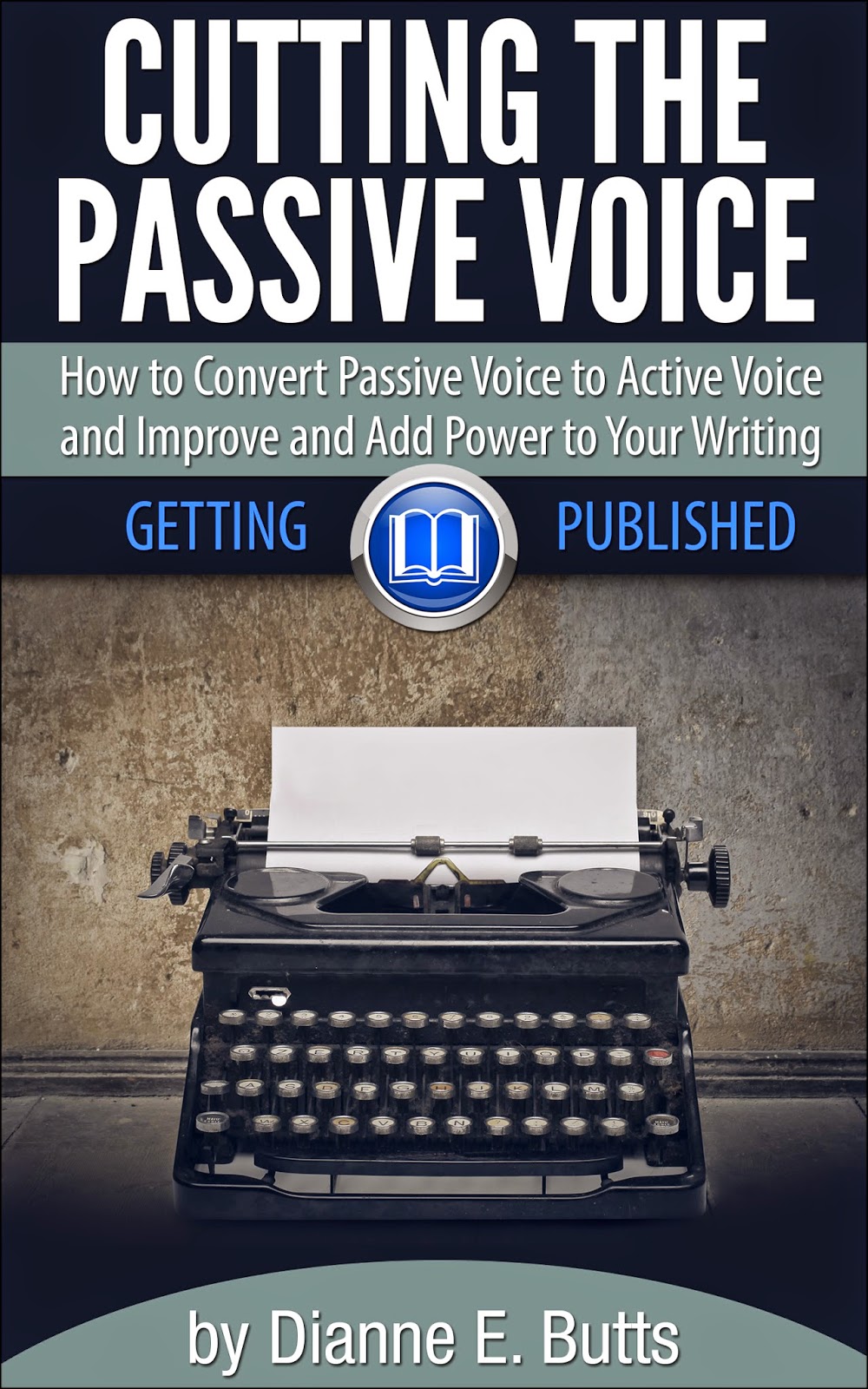
I'm very excited to let you know that I have a new e-book coming out on Kindle! It is titled Cutting the Passive Voice: How to Convert Passive Voice to Active Voice to Improve and Add Power to Your Writing.

Cutting the Passive Voice: How to Convert Passive Voice to Active Voice to Improve and Add Power to Your Writing
Book 2 in the
"Getting Published" series
If you remember my article “Cutting the Passive Voice,” which was originally published in 1996 and was reprinted several times and that I used as a handout in some of my workshops, that is the basis for this little e-book. I added to it and fleshed it about a bit more. I added a few more exercises.

I wanted to make this information accessible to many more people, so I'm making it into a small e-book that costs only $ .99. I can reach a much larger audience and get this helpful information to many more writers with an e-book on platforms like Amazon.com. However I'm keeping it inexpensive so there will be absolutely no barrier for anyone who needs it to get it.

As we're talking about "back to basics," this is a great technique to use as you edit, revise, and refine your writing (both fiction and nonfiction). I go through my manuscripts searching out the passive voice as one of my final revisions. I can't tell you how much this will improve your writing.

Using passive voice is a natural way most writers write. I see it over and over again in beginning and advanced writers. If you don't recognize passive voice, you won't know how to change it. But I can testify from personal experience that if you cut most of the passive voice in your writing, people will notice! They won't know what you have done, but they will notice your writing is more lively, fun, and exciting.

Cutting the Passive Voice e-book is not for English majors who already know what passive voice is and what to do about it. This is a guide for the rest of us.

This little e-book not only explains in easy-to-understand layman's terms what passive voice is, it gives you several easy ways to change it into active voice that brings your writing alive.

Trust me. This will be the best .99 cents you every spent on your writing.

Cutting the Passive Voice is scheduled to release on December 17, 2014, but you can pre-order it right now. It will then be delivered to your Kindle device (or computer with the free Kindle reader) as soon as it releases. So order now! And please invite your writing friends to check it out as well. (Tweet that!)

"Getting Published" series:


Thursday, May 1, 2014

Create Your Own Text on Images for Your Blogs and Marketing Your Books


Photo from Morguefile.com. Words added at PicMonkey.com. 
This month we're going to have some creative fun! Oh. Er. Wait a minute. Don't we always have fun here? Well anyway...

I'm sure you've seen those beautiful pictures with the beautiful words on them. I get them all the time on Facebook. But I see them other places too, like on blogs and Pinterest.

Have you ever wished you could make them? Or have you wondered where other people get them or how they make them? (Tweet that!)

I always thought you needed one of those fancy, expensive programs like Photoshop (which I don't own). But nope. You don't need anything like that.

I should have known like so many other things these days there are sites online where you can make these. And many of these sites are... you guessed it. My favorite word... Free!

Some of you right now are just bursting with ideas and can't wait for me to tell you how to make one. Others of you, though, are wondering why you would need such a thing. Or maybe you'd like to have one--or several--pretty pictures with your chosen words on them but you're not sure what you'd do with them if you had some.

Well recently found myself in need of photos. Lots of photos. As a matter of fact, I needed forty photos, and I needed them fast. I knew how to find free photos, but I didn't have a clue how to find forty of them. That would fit what I needed them for. Fast. Just the thought of trying to figure that out made me tired.

Why did I need forty photos all of the sudden? Have you seen my newest blog? I started it on March 2 and you can see it at www.BiblePropheciesFulfilled.blogspot.com. Now here's part of the story behind that blog...

I have thought about starting a blog on Bible prophecy for several years now, but the thought of trying to keep up with another blog kind of makes me crazy. Add to that the fact that I now know every blog post should have a photo so it can be "pinned" to Pinterest and there's another step that needs to be done to keep up with a blog. In early March I was thinking about starting this blog again because if I was going to do it, I wanted to blog for Lent leading up to Easter when many Bible prophecies were fulfilled. So I needed to make a decision: either do it or don't.

I had just decided not to do it. Final decision.

Moments later my husband walked into the room. I told him my decision. He said, "I think you should do it."

Okay... Re-thinking my Final decision I realized that in order to blog for forty days of Lent, I would need forty different photos. Big huge sigh. Where could I come up with forty photos that fit Lent? Fast! It was March 2. Lent started Ash Wednesday, which was March 5. I wanted to post twice before then--an introduction and a pre-Lent post. Yeah. I needed forty photos fast.

Just then I had the brainstorm to do a countdown to Easter. That meant I only actually needed one photo . . . if I could alter it and put the countdown numbers on it.

I remembered hearing on an e-loop I'm on about PicMonkey.com. I checked it out and it looked pretty easy.

Of course I needed a photo. I usually get my free photos to use on my blog from Morguefile.com. Somewhere along the lines I read to use a photo from Morguefile.com on PicMonkey because Morguefile allows you to alter their photos, which some of the other free sites prohibit.

So I went to Morguefile.com and found a photo. It's the same photo of blue sky and clouds I used in the upper left of this post. I downloaded it to my computer, then went over to PicMonkey.com and uploaded the photo there. You don't even have to open an account on PicMonkey. Just click "Edit," upload your photo, and start editing!

I played around with it a little bit, found the T for Text, and was able to put my words and countdown number, starting with 40, on the photo. I saved that to my computer. Then I was able to edit that to put 39 on the same photo, saved it, and continued on my countdown to Easter. Within a couple hours I had all forty of the photos I needed to launch my new blog! How cool is that?

Of course you might want to take a bit more time to find just the perfect photo and chose just the perfect message to put on it. But now you know where to go and one place you can add words to your images or photos. Make sure you have permission to use the photo and alter it. Of course you can use your own photo too.

But there is so much more you can do with this technology! I promised in the title of this post that you can use this idea not only to make images for your blog, like I did, but also to market your books. Honestly I would never have thought of that idea on my own. I'm not that creative. I got that idea from Joel Friedlander on his blog, The Book Designer.

His January 22, 2014, post is titled "11 Ways to Quote and Promote Your Book Using Images." In this article Joel talks about authors using creative graphics with quotes from their books to promote their own books.

What a great idea, right?! I love that idea!

I'm not going to recap all he said here. Instead I'll let you hop over to his blog and read his article. He gives tips for choosing quotes from your book(s) and then gives links to several sites where you can make your own quotes into beautiful images.

In preparation for writing this post I tried a couple of those links and not all of them are working. I didn't find the first place he lists. But I did play around a bit with the second site listed: Quozio.

I made a couple of quotes from my own books just to show you on this blog post, and you can see them below. I took quotes from two books in my "Prophecies Fulfilled" series. I'm very excited that the third book in this series just released: Prophecies Fulfilled in the Life of Jesus! You can see the cover at the bottom of this post.

I have to admit that these super easy, do-it-all-for-you sites still present challenges for me. On Quozio, I "Joined" and opened an account (not required). Then I read the directions, found a quote, typed it in, clicked "Go," and tried out several of the designs until I picked the one I liked the best. All done, right? Well the instructions say to click "Keep" under the image and it will save to "My Quotes." I clicked "Keep" under both the images that I made, but I don't see anything in "My Quotes." So I don't know how that works. Maybe you can figure it out and leave a comment below and let me know.

I was able to share my quote images to Pinterest. I also right-clicked on the image and saved it to my computer, so I have them there. And from there I was able to upload them to this post. So it all works. But I haven't figured out all the ins and outs yet.

Also, at one point while I was clicking around trying to figure things out, a window opened with a URL to my image! I have no idea how I did that. I haven't been able to do it again. Maybe you can figure that out too.

I did download the Quozio bookmarklet to put on my browser bar so I can turn any quote I see on the internet into a beautiful image, but I haven't tried it out yet. You'll see that option on the sight.

Also, make sure to check your spelling! I had to re-do one of my images since I didn't see the mistake until after I clicked "Go." Apparently you can't go back and edit one after it's created.

Plus there are more sites in Joel's article which you can have fun exploring. I'm going to check them out as I have time.

I think this is probably enough information to get you started. I hope you have fun with it. I'm sure having a blast doing this. I think using quotations out of our books is simply genius. (Tweet that!) Finding a great quote is the hardest part.

If you have something other than a book to promote, you could probably use this for that also. Maybe a great quotation from your blog? Or an article you've written? Or your brand? Or your heart's passion? What  new and creative ideas can you come up with to put this to use? Let us know!


This is a quote from chapter 22, "The Star," in Prophecies Fulfilled in the Birth of Jesus.

This image is smaller than the one below because of the choice I made when I put it on this blog, not because it's smaller coming from Quozio. 


This is a quotation from my newest, just released book, Prophecies Fulfilled in the Life of Jesus. It's the very last sentence in the book (not counting the end matter). I have no idea why this image includes the Quozio.com tag at the bottom. Probably has something to do with the way I saved it. The other image above didn't include that. I'm still trying to figure some things out.

So go have some fun creating your own text on images for your blogs, marketing your books, or however else you can think of to use this lovely software! (Tweet that!) I hope to see you, and your beautiful quotations and images, around the internet.

Prophecies Fulfilled in the Life of Jesus 
***  


I'm very pleased that my newest book has released. This book talks about many topics, including the seven Feasts of the LORD and how Jesus fulfills them. It also talks about the lunar eclipses that will occur on the first and last Feast of the LORD in both 2014 and 2015 and the spiritual and prophetic importance of these. You may have been aware for the first lunar eclipse which occurred just a few weeks ago on April 15th. Learn more about it in this book.

You can find more information this book on the Prophecies Fulfilled Books page on my new blog. It's available on Amazon and elsewhere. Your favorite bookstore can order it for your.


Saturday, February 1, 2014

How to Write and Get Published by Magazines and Book Publishers

© Medaphoto | Dreamstime Stock Photos  
I have some news to share that I'm very excited about! Very soon I'm going to release the first in a series of new e-books.

(Update 2/7/2014: This e-book is now available!)

The title of the first e-book in my "Getting Published" series for writers is:

Help to get you started in writing and publishing your work
How to Get Published by
Magazine & Book Publishers E-book

Last month I promised we'd talk about the basics of getting started in publishing whether you want to write for magazines or books. That information is below under the headline "The Basics of How to Get Published in Magazines and Books." It is excerpted from the new e-book. Between here and there is more information about my coming new series of e-books for writers. If you prefer to go straight to the "How do I get published?" information, please feel free to scroll down.

About My New "Getting Published" Series of E-Books


You may have noticed that sometimes in this blog I write on topics where I've learned something new and interesting and I think it will help you in your writing too (such as using social media like Twitter, Facebook, and Goodreads to promote our writing). Other times I post on topics that I've been asked over and over again in my twenty-five years in this business, One of the questions I get a lot is from people asking me how they can get started in writing for publication and get published by magazines and/or get their books published.

I always love to help someone else get started and I love to share what I've learned, but I find I'm giving out the same information repeatedly to one person at a time. Wouldn't it be great if I had some way to give people the information they're seeking without me having to go through it again and again? Wouldn't it be nice--and more efficient for me--to have a place to point people to where they would find all the information I have to offer already there waiting for them?

Through the years I've looked for, and have developed, ways to give the information. In 2003 I developed and wrote five pamphlets in my "Help for Writers" series that I printed on 8 1/2 x 11 inch paper, 8 to 12 pages each, and sold at writer's conferences for $3.95. Hopefully they are inexpensive enough that anyone who needed one could afford it. They have been, and continue to be, very good sellers and I've received many wonderful, positive comment from writers on how these pamphlets have helped them. While I intend to keep them available, I also intend to update and revise where needed since a more than a few things in publishing have changed in the past decade.

Also in 2003, I taught a one-day seminar a couple of times on "Writing for Publication." We recorded that presentation and I've sold that on cassette tapes bundled with the handouts.

I continue to offer the original five pamphlets and the taped seminar (though supplies of the seminar are limited). The titles are:
  • The Basics for Beginners: How to Find Markets, Submit your Manuscripts, and Keep Track of it All (c. 2003, $3.95)
  • Conquering the Dreaded Query Letter: How to Write Query and Cover Letters (c. 2003, $3.95)
  • How to Market Your Reprints (c. 2003, $3.95)
  • How Do I "Show, Don’t Tell"? (c. 2003, $3.95)
  • Should I Become a Writer? How Can I Decide? (c. 2003, $3.95)
  • and the "Writing for Publication: How to Find Markets and Submit Your Work" taped seminar (c. 2003, $24.99) 


Making the New, Revised "Getting Published" Editions More Easily Available!


While these products have been wonderful to take to writer's conferences or wherever I teaching writing seminars, making them available to many more people has been more challenging. I can and do ship them upon request and payment through PayPal, but that process is cumbersome, as is the job of simply letting people know they are available. (I haven't done much of that lately, so you may not have even known about these products.)

There has to be a better way, right? Well there is. I am converting these pamphlets to e-books, and revising and updating them in the process. The first e-book will release very soon--just as soon as I have it and the new cover ready.

I'm very pleased that I'll be releasing not only these five pamphlets and the seminar in e-book form, but I also will make available several more products based on workshops I've taught and other writing I've done. Here's a glimpse of some of those topics:
  • tools for marketing your books
  • strategies for how magazine writers can sell more articles
  • beginning screenwriting, as well as shaping your story to work great as a movie
I hope those topics excite you! Which would you like to see sooner rather than later? Leave me a comment and let me know.

I'm making these new products available as e-books for Amazon's Kindle, because that's the easiest, most cost-effective way for me to do this. Don't have a Kindle? No problem! Your PC, Mac, tablet, or smart phone can read Kindle books (Amazon's e-books) if you simply download a free ap. Please visit the page on this blog called "No Kindle? No Problem" for links to download what you need.

As with the forerunners of these e-books, my series of "Help for Writers" pamphlets, these new e-books will be inexpensive enough that hopefully anyone who needs them can afford them*. I also plan to put them on sale from time to time (as allowed and limited by Amazon), so do watch for that if you need even more of a break on the price. The pamphlet-length e-books will be priced as low as possible--mostly likely $2.99. The workshop-length e-books will be a bit more.

If you're not familiar with Amazon's Kindle pricing structure, the best opportunities for authors are when their e-books are priced between $2.99 - $9.99, so that is why most Kindle books fall within those prices. It is possible, though, to price e-books outside of those price points ($ .99 minimum), and so you'll see that for various reasons--even when the book is not on sale. Amazon also allows Kindle e-books to be put on sale or made available for free for a limited number of days per annual quarter.

When the e-books become available, if you get one it would help me immensely if you would consider leaving an honest review. Reviews let others know if the product is truly helpful, valuable, and worth their investment. Reviews can be short--even a couple of sentences will do. I thank you for that in advance.

(*If you need one of my e-books or printed pamphlets but cannot afford it, please contact me privately and we'll see what we can do.)

The Basics of How to Get Published in Magazines and Books


Last month I promised we would talk about the basics of getting started in publishing whether you want to write for magazines or books. Maybe you're far from a beginner. Then you probably get asked for help from beginners like I do. The next time you meet someone who wants to get started in publishing, now you can send them to this blog post for help in doing just that.

The following is excerpted and condensed from the first e-book I'll be releasing soon. For this first e-book, I revised and updated my "Help for Writers" pamphlet titled "The Basics for Beginners: How to Find Markets, Submit your Manuscripts, and Keep Track of it All." Besides updating it, I added information to that pamphlet by combining it with my taped seminar,"Writing for Publication: How to Find Markets and Submit Your Work."

How Do I Find Magazine, Book, and Online Publishers that Want My Work?


The main way professional writers find online outlets, magazine editors, and book publishers who want their stories, articles, novels and nonfiction books, is through a "market guide." In publishing, a "market" is a place where you can sell your writing, in other words a publisher that buys work from writers like you.

Two well-known market guides are:
  • the Writer's Market, published annually by Writer's Digest. This book mostly contains publishers in the general market, although it contains some markets that want Christian material
  • The Christian Writer's Market Guide which contains markets that want Christian material.

These guides are like phone books containing all sorts of information for hundreds of publishers, such as all their contact information, editor's names, mailing and e-mailing addresses, and web sites. They also list important and valuable information about what the market publishes, who their audience is, whether they pay and if yes, how much.

You can buy a market guide or borrow one from your library. My advice is that your first task should be to find and read the "how to use this book" section these guides usually include. Otherwise much of the entries will be like trying to read code.

How to Know What Magazines and Book Publishers Want You to Send


After you find markets to submit your articles, stories, or books to, the next thing you will want to do is either visit the publisher's web site or contact them, if necessary, to obtain or request their "writer's guidelines." You can often find these online today.

Writer's guidelines are the instructions the publisher wants you to follow when you submit to them. If you want to get published, you need to get these before you send them anything, and then carefully follow their instructions. This is a step many writers skip, and then they wonder why their submissions are rejected. If you submit without reviewing and following the guidelines, you're probably not going to make any friends at the other end. This could brand you as amateur and cause you problems right off the bat. Professional writers do it the smart way: they get the guidelines first...and follow them.

You will also want to obtain "sample copies" for magazines and periodicals (regularly published papers) or "book catalogs" (now online) from book publishers. You'll want to study these materials carefully to determine if your material will fit the publisher. If your material currently doesn't fit, you can either tweak it to fit the publisher or find a different publisher. Never try to get a publisher to bend to fit what you're doing--that simply doesn't work. Send them only what they'll be interested in.

"Theme Lists" are editorial topics that will be covered in future issues of a magazine. When publications use a theme list, you should see if your piece of writing will fit a future theme and then let the editor know. This increases your chances of placing your writing in that publication. Another way to use theme lists is to see what themes they'll be covering and write something especially for that theme. While it doesn't guarantee the editor will purchase it, you've increases your chances and the editor will appreciate it!

Included in the e-book is more detailed information on theses topics as well as how to send for these materials whether by postal mail or e-mail, a sample request letter, tips to organize these materials, and more.

Here's a hint: As you obtain writer's guidelines, record the date on them. Occasionally editors changes these and you'll eventually end up with more than one copy in your file. You'll need to know which is the most recent.

How to Submit Your Manuscript


What you do next depends on how the publisher wants you to submit your manuscript. Some magazines allow you to submit your manuscript to them directly and at any time. Some magazine and other periodical publishers want you to send a “query letter” first.

A query letter is a one-page sales letter “selling” the editor on your article or book idea and asking for permission to submit the full article manuscript or book proposal. How to write a query letter, what to include, etc., is a detailed topic of its own. I have a helpful pamphlet on this topic with several example query letters. I'll be creating an e-book from that pamphlet in the future. Contact me for the printed pamphlet if you need that sooner.

If you are submitting your writing to a magazine or periodical publisher who works in print, here are some basic guidelines for formatting your manuscript:
  • Name, address, phone, e-mail in the upper left corner. (Don't include your SSN. Keep that secure. If they need it, they'll officially request it.)
  • Rights* offered and number of words in the upper right
  • Title, by, and name centered, each on their own line, about a half way down the first page
  • About two thirds of the way down the page begin your article
  • Indent paragraphs using the ruler at the top of your word processor (not the tab key and never, ever spaces)
  • Double-space your submission from the title down. (This means set your line spacing to "2." Do not hit the enter key to skip a line.)
  • If submitting a hard copy via postal mail, print on one side of white paper using black ink.
  • When you open your word processor (such as Word), most likely you should just leave the margins, font, etc. alone. They are already set as they should be.
  • On page 2 and beyond use a header to include the title of your article (or partial), your last name, and the page number. This way if your printed pages get separated someone can put it back together.
The e-book gives tips on if you need to mail a hard copy of your manuscript, which is rarely done anymore, but sometimes that's what a publisher or literary agent wants.

If you're submitting to an online publication, basic differences from the above are:
  • Rights* offered and word count also go on the left side under your contact info. (Nothing in the upper right.)
  • Title, byline, and all text are left justified (nothing centered).
  • No indents for paragraphs. Use "block style" and insert an extra line between paragraphs instead of indenting.


You can find additional helpful  information in my April 2013 blog post 8 Tips for Formatting Your Manuscripts So Editors Will Love (Not Hate) You

If you want to submit a book manuscript to a book publisher or literary agent, you will most likely need to produce a "book proposal" first. A book proposals tells the publisher or agent all about your proposed book and allows them to decide if they want to see the whole manuscript. How to write a book proposal is a huge topic of it's own. My e-book gives the basic information for what to include in book proposals. For in-depth information, there are many other resources, both books on the topic and online, to teach you how to write a quality book proposal.

Which Rights to Sell When


*A layman's discussion of the Rights you sell to your magazine or periodical articles and stories, and when to sell which rights, is included as a Bonus Article in the e-book. Here's some basic information:
  • First rights means selling your piece to be printed for the first time
  • Second or Reprint Right is selling a piece of writing that has been published at least once before
  • One-time Rights means just that, selling your piece for one-time use. This could be your First rights or Second/Reprint rights.
  • Simultaneous Rights means selling your article to more than one publication at the same time.
Know which rights you are selling and when to sell each type. In the e-book I go into when and how to use each of these types of rights to your best advantage as a writer.

Tracking Your Submissions


Once you start submitting your articles, stories, and even book proposals or manuscripts, it won't be long before you can't remember what you sent where and when. It's very important that you keep good records so you don't end up sending the same manuscript to the same editor, which really makes you look bad. So you need a good tracking system.

I use a double-entry system on index cards. For every manuscript that goes out, gets rejected, or gets accepted, I record that action in two places:
  • on an index card for that manuscript
  • on an index card for that market
This double entry system keeps everything I need to see what I've sent where at my fingertips. In the e-book you can see some sample mock-ups of my cards with details of how I use this system.


If you're looking to get started on your writing journey to getting published by magazine and book publishers, I hope this basic information in this blog post helps you get that solid start you're looking for. If you would like more details on each of these topics and much more, please check out my e-book, "How to Get Published by Magazines & Book Publishers: Find Markets, Submit Your Manuscripts, and More". (Now available on Amazon.com! Published February 7, 2014.)

Tweetables: 

@DianneEButts How to #Write and Get #Published by Magazines and #Book #Publishers http://ow.ly/tafYj  Tweet this

@DianneEButts The Basics to Getting #Published - how to #write for #magazine and #book publishers http://ow.ly/tafYj  Tweet this

Related Articles

From April 2013: 8 Tips for Formatting Your Manuscripts So Editors Will Love (Not Hate) You

Writer, Will You Go Anywhere God Calls You? The Problem IS the Path to the Solution

Thanks to Pixabay.com Warning: This post is for Christians only.You can read it if you want to, but don't get mad if it's too re...